

Complete Guide to Mentorship for Single Moms
Over 70 percent of single mothers report feeling isolated or overwhelmed at some point in their parenting journey. The pressures of raising children alone can make it hard to find reliable guidance or emotional support. Mentorship steps in as a vital lifeline, offering not just advice but meaningful connections and practical strategies. By understanding the impact of mentorship, single mothers can discover new confidence, stronger mental health, and a sense of community that helps them thrive.
Table of Contents
- Defining Mentorship for Single Mothers
- Key Types of Mentorship Relationships
- Benefits of Mentorship for Single Moms
- How to Find and Choose a Mentor
- Common Challenges and How to Overcome Them
Key Takeaways
| Point | Details |
|---|---|
| Empowerment through Mentorship | Mentorship for single mothers provides essential support across emotional, professional, and personal domains, facilitating transformative growth. |
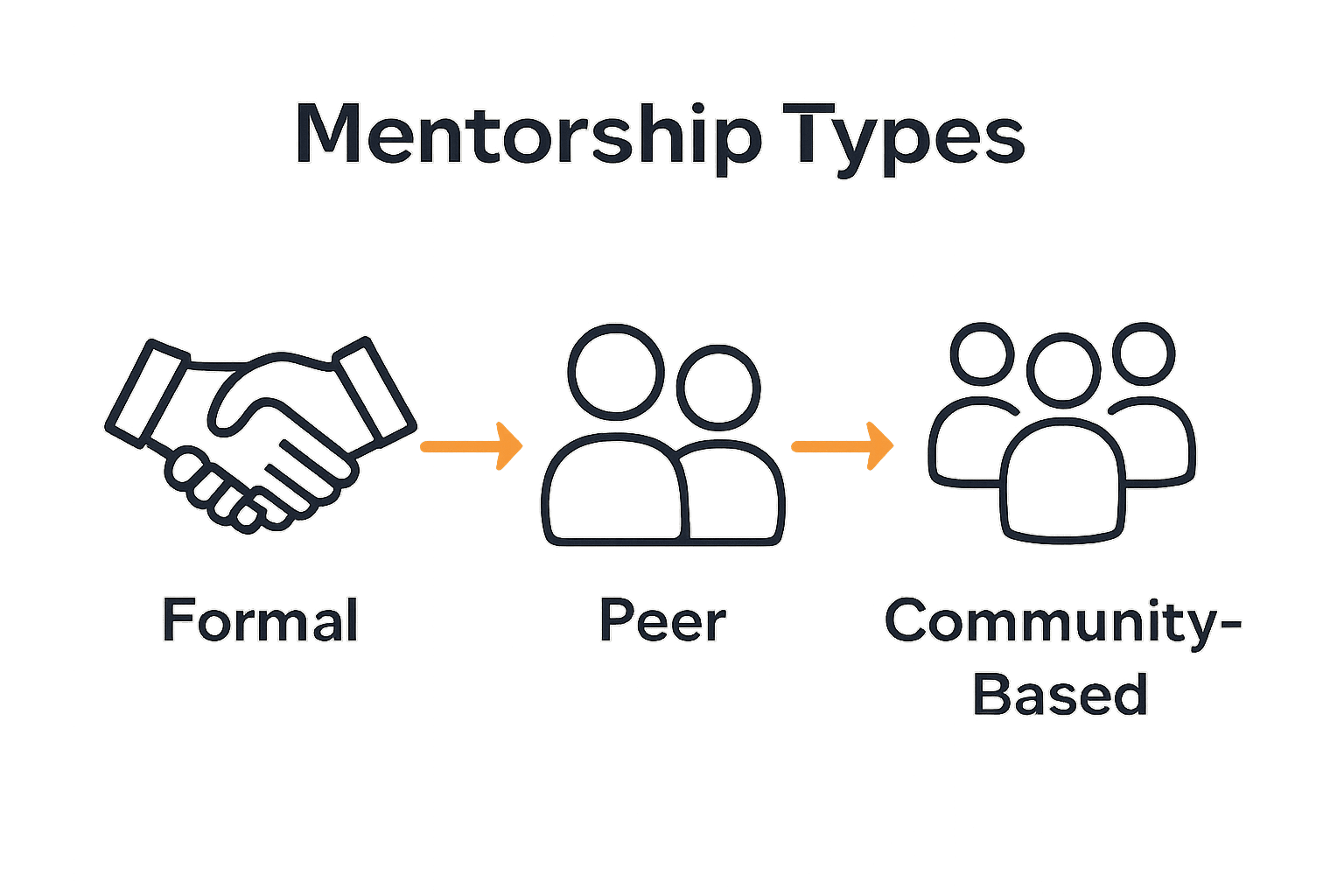
| Diverse Mentorship Structures | There are varied mentorship types, including formal, peer, and community-based approaches, allowing for tailored support to individual needs. |
| Overcoming Challenges | Common challenges such as time management and confidence can be navigated through proactive communication and collaborative problem-solving with mentors. |
| Finding the Right Mentor | Strategic mentor selection involves assessing personal goals and identifying mentors who understand and empathize with unique parenting challenges. |
Defining Mentorship for Single Mothers
Mentorship for single mothers represents a transformative relationship designed to provide guidance, support, and strategic life advice tailored to the unique challenges of parenting solo. Unlike traditional professional mentoring, this specialized approach focuses on holistic development across personal, professional, and parental domains.
Research from PubMed reveals critical insights about mentorship’s profound impact. A comprehensive study tracking 93 adolescent mothers demonstrated that natural mentoring relationships can significantly reduce depressive and anxiety symptoms. These connections modify stress responses and promote healthier psychological development, highlighting mentorship’s potential as a powerful support mechanism.
A mentorship for single mothers typically encompasses several key dimensions:
- Emotional support and validation
- Professional skill development
- Practical parenting strategies
- Financial planning guidance
- Personal growth and resilience building
Inspired by traditional othermothering practices documented in African and diaspora communities, modern mentorship transcends biological relationships. As explored in Wikipedia, this approach recognizes that support can come from non-biological women who are committed to nurturing and empowering mothers through shared experiences and wisdom.
Successful mentorship programs create safe spaces where single mothers can openly discuss challenges, learn from experienced guides, and build confidence in their parenting and personal journeys. These relationships are not about fixing problems but about collaborative growth, mutual respect, and strategic empowerment.
Learn more about building supportive networks for single moms.
Key Types of Mentorship Relationships
Mentorship relationships for single mothers are diverse and multifaceted, offering tailored support through different structured and organic approaches. Understanding these varied relationship types can help single moms identify the most suitable mentorship model for their unique circumstances and personal growth objectives.
According to research from National Academies Press, mentorship structures can be categorized based on how they are created and enacted. Some relationships are formally assigned, while others develop more organically and informally. These structures can involve single or multiple mentors working with individual or group mentees, providing flexibility in support strategies.
Key types of mentorship relationships include:
- Formal Mentorship Programs: Structured relationships typically organized through professional networks, nonprofits, or workplace initiatives
- Peer Mentorship: Connection between individuals with shared life experiences
- Professional Mentorship: Goal-oriented relationships focusing on career development
- Parenting Mentorship: Specialized guidance specifically addressing single parent challenges
- Community-Based Mentorship: Support networks rooted in local social environments
Peer mentoring offers a particularly powerful approach for single mothers. As explored in Wikipedia, this model connects individuals who have navigated similar life challenges. Peer mentors are typically selected for their sensibility, confidence, social skills, and reliability, enabling them to provide nuanced, empathetic support.

These mentorship relationships are not one-size-fits-all. They can evolve dynamically, with mentors challenging mentees, introducing new perspectives, and encouraging personal growth beyond comfort zones.
 The ultimate goal is creating supportive, transformative connections that empower single mothers to thrive personally and professionally.
Explore our guide on building supportive networks for single moms.
Benefits of Mentorship for Single Moms
Mentorship offers single mothers a transformative pathway to personal and professional growth, providing critical support that extends far beyond traditional guidance. These relationships become powerful catalysts for empowerment, helping women navigate complex life challenges with increased confidence and strategic insight.
Research from PubMed reveals profound psychological benefits of mentorship. A comprehensive study tracking adolescent mothers demonstrated that natural mentoring relationships significantly reduce depressive and anxiety symptoms. These connections modify stress responses and promote healthier psychological development, highlighting mentorship’s potential as a crucial support mechanism for single mothers facing multiple life pressures.
Key benefits of mentorship for single moms include:
- Emotional resilience and mental health support
- Professional skill development
- Expanded networking opportunities
- Personal confidence building
- Strategic life planning guidance
Additionally, research from ArXiv underscores mentorship’s critical role in work-life balance. The study revealed that mentoring provides women with essential role management strategies, helping them effectively navigate professional and personal responsibilities. This approach is particularly transformative for single mothers juggling multiple roles and seeking sustainable life integration.
Mentorship transcends traditional support models by offering personalized, lived-experience guidance. Mentors provide not just advice, but practical strategies, emotional validation, and a roadmap for personal and professional success. They help single mothers reframe challenges as opportunities, build robust support networks, and develop the confidence to pursue their most ambitious goals.
Discover more about building supportive networks for single moms.
How to Find and Choose a Mentor
Finding the right mentor is a strategic journey that requires self-awareness, intentional networking, and a clear understanding of your personal and professional development goals. For single mothers, this process involves identifying someone who not only possesses the right expertise but also understands the unique challenges of balancing parenting with personal ambitions.
According to research from the National Academies Press, mentorship relationships can be formally assigned or develop organically, offering single mothers multiple pathways to finding meaningful guidance. This flexibility allows women to explore different mentorship structures that align with their specific needs and comfort levels.
Key strategies for finding and selecting the right mentor include:
- Conduct a personal skills and growth assessment
- Identify mentors in your professional or personal networks
- Attend industry events, workshops, and networking sessions
- Leverage online professional platforms
- Join single parent support groups and professional associations
As explored in Wikipedia, peer mentoring offers a particularly powerful approach. Ideal mentors are typically selected for their sensibility, confidence, social skills, and reliability. When choosing a mentor, look for someone who:
- Has successfully navigated similar life challenges
- Demonstrates empathy and active listening skills
- Possesses a track record of supporting others
- Shows genuine interest in your personal and professional growth
- Can provide constructive challenges and perspectives
Remember that finding the right mentor is a process of mutual exploration. Initial conversations should focus on understanding each other’s goals, expectations, and potential compatibility. Don’t be afraid to have multiple conversations and be selective about who you invite into your support network.
Explore our guide on building supportive networks for single moms.
Common Challenges and How to Overcome Them
Mentorship journeys are rarely smooth, and single mothers often encounter unique obstacles that can derail their progress. Understanding these challenges is the first step toward developing resilient strategies that transform potential roadblocks into opportunities for growth and personal development.
Research from ArXiv exploring mentorship challenges reveals that successful mentor-mentee relationships require strategic navigation. The study identified 17 distinct mentoring challenges and mapped them to 21 specific strategies for support. This systematic approach demonstrates that challenges are not insurmountable barriers but opportunities for targeted intervention and skill development.
Common mentorship challenges for single mothers include:
- Time management constraints
- Balancing parental responsibilities with personal growth
- Financial limitations
- Confidence and imposter syndrome
- Finding compatible mentor relationships
- Managing emotional vulnerability
- Overcoming systemic barriers
Additionally, insights from ArXiv highlight the critical importance of developing a strong sense of belonging to overcome persistent challenges. The research emphasizes that interventions focusing on identity dimensions such as interest, recognition, performance, and competence can significantly improve persistence and retention in personal and professional development journeys.
Strategies for overcoming these challenges involve proactive communication, setting clear boundaries, practicing self-compassion, and being transparent about your limitations and expectations. Successful mentees approach challenges as collaborative opportunities, working closely with mentors to develop tailored solutions that respect both personal constraints and professional aspirations.
Discover more about building supportive networks for single moms.
Empower Your Journey with Mentorship and Prosperual
Navigating the complexities of single motherhood often means balancing emotional resilience, financial challenges, and personal growth all at once. This article highlights crucial aspects like natural mentoring relationships and peer mentorship that help reduce stress and build confidence. If you are ready to move beyond support and take actionable steps toward financial independence, Prosperual offers exactly the tools you need to thrive.
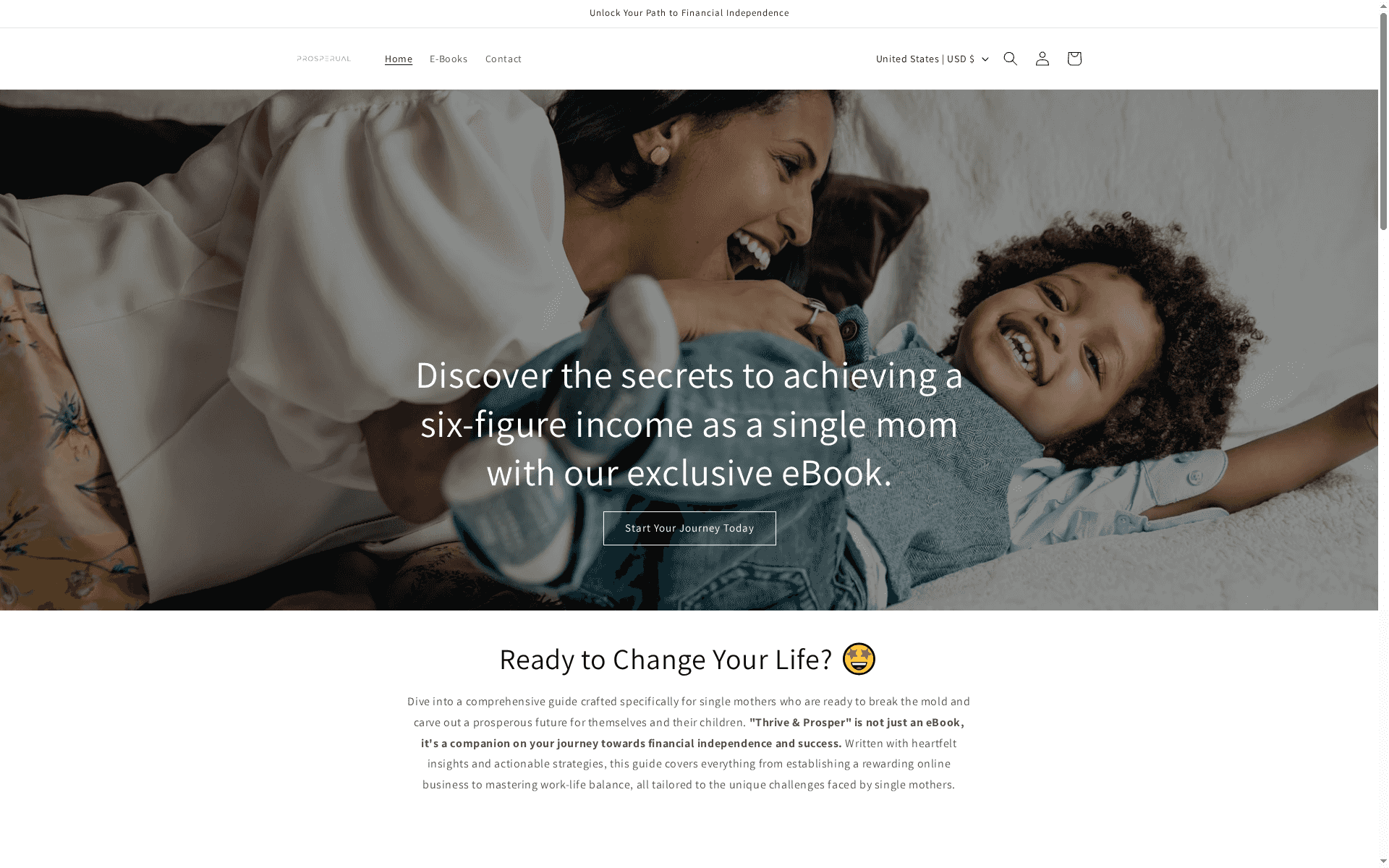
Discover how our flagship eBook, “Thrive and Prosper,” can guide you through starting a business, managing money effectively, and leveraging modern tools like AI to create a flexible income stream—all designed for busy single moms just like you. Don’t wait to build the confidence and strategies you deserve. Visit Prosperual and explore how to turn mentorship lessons into real-life success today. For additional inspiration and community support, check out our guide on building supportive networks for single moms and gain the clarity you need to choose the perfect mentor for your ambitions.
Frequently Asked Questions
What is mentorship for single mothers?
Mentorship for single mothers is a transformative relationship that provides guidance and support tailored to the unique challenges of parenting solo, focusing on personal, professional, and parental development.
How can mentorship benefit single mothers?
Mentorship offers numerous benefits, including emotional resilience, professional skill development, networking opportunities, personal confidence building, and strategic life planning guidance.
What types of mentorship relationships are available for single mothers?
Types of mentorship relationships include formal mentorship programs, peer mentoring, professional mentorship, parenting mentorship, and community-based mentorship, each catering to different support needs.
How can a single mother find the right mentor?
Single mothers can find the right mentor by conducting a personal growth assessment, leveraging professional networks, attending industry events, using online platforms, and participating in single parent support groups.